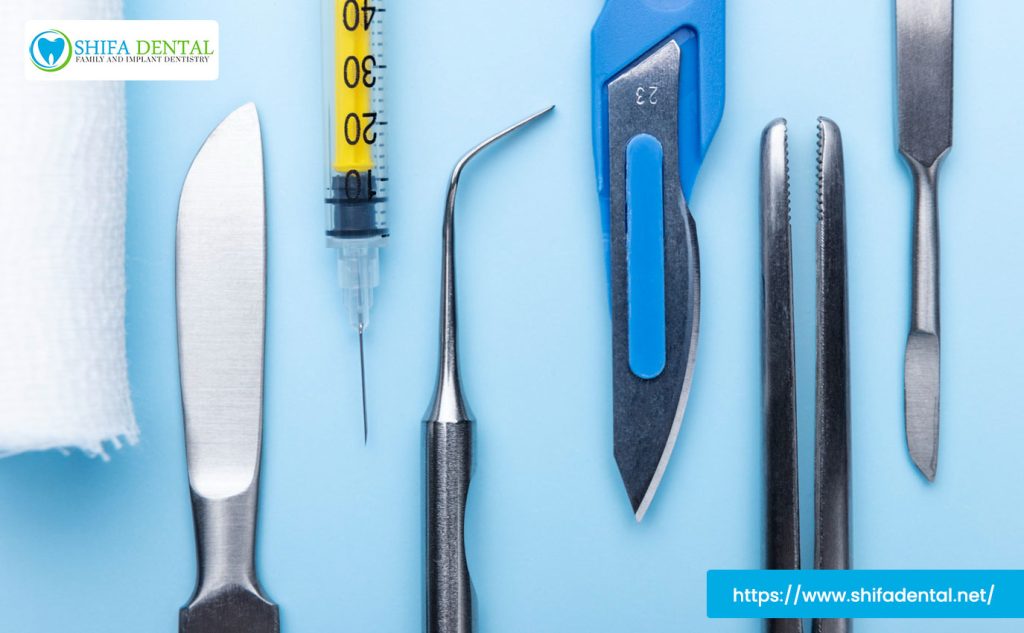
Tooth extraction is not what it used to be. Years ago, it often meant force and discomfort. Today, things feel very different. The process is more controlled, more precise, and far more comfortable. The reason is simple. Modern dentistry now relies on advanced tooth extraction tools that make each step smoother for both the dentist and the patient.
These tools are not just about removing a tooth. They help protect surrounding tissue, reduce healing time, and lower the chances of complications. So, if you have ever felt unsure about an extraction, understanding these tools can change how you see the whole procedure.
Why Advanced Tools Matter in Tooth Extraction
When a tooth has to be extracted, it is not only to get it out. It’s about removing the tooth with minimal stress on the mouth. The use of older techniques usually led to undue pressure on adjacent teeth and gums. This may result in swelling, pain, and increased recovery.
Contemporary instruments are concerned with precision. They enable dentists to operate in smaller spaces without affecting healthy tissue. Consequently, patients tend to have less bleeding, less pain following the procedure, and faster healing.
Control is another key aspect. Having improved tools, dentists will be able to modify their approach based on the position, shape, and condition of the tooth. This makes even complex extractions easier. Here are the key tools used during tooth extraction:
Physics Forceps
Physics forceps are a more recent form of extraction device that operates in a different manner than traditional forceps. They do not squeeze and tug but apply steady pressure over time.
This slow, controlled movement allows the tooth to come out more naturally. It also safeguards the bone surrounding it, which is particularly crucial in case a dental implant is to be done in the future.
When this technique is employed, patients tend to experience less swelling and pain. The procedure might require a bit more time, yet the rewards thereafter are apparent.
Periotomes
Periotomes are thin, sharp instruments designed to cut the periodontal ligament. This ligament is what holds the tooth firmly in place.
By carefully cutting it, the dentist can loosen the tooth without damaging nearby bone. This is particularly useful in delicate cases where preserving bone structure is important.
Periotomes are often used before other tools, making the entire extraction process more controlled and less invasive.
Piezoelectric Surgical Devices
This is where things start to feel more advanced. Piezoelectric devices use ultrasonic vibrations to cut bone without harming soft tissue.
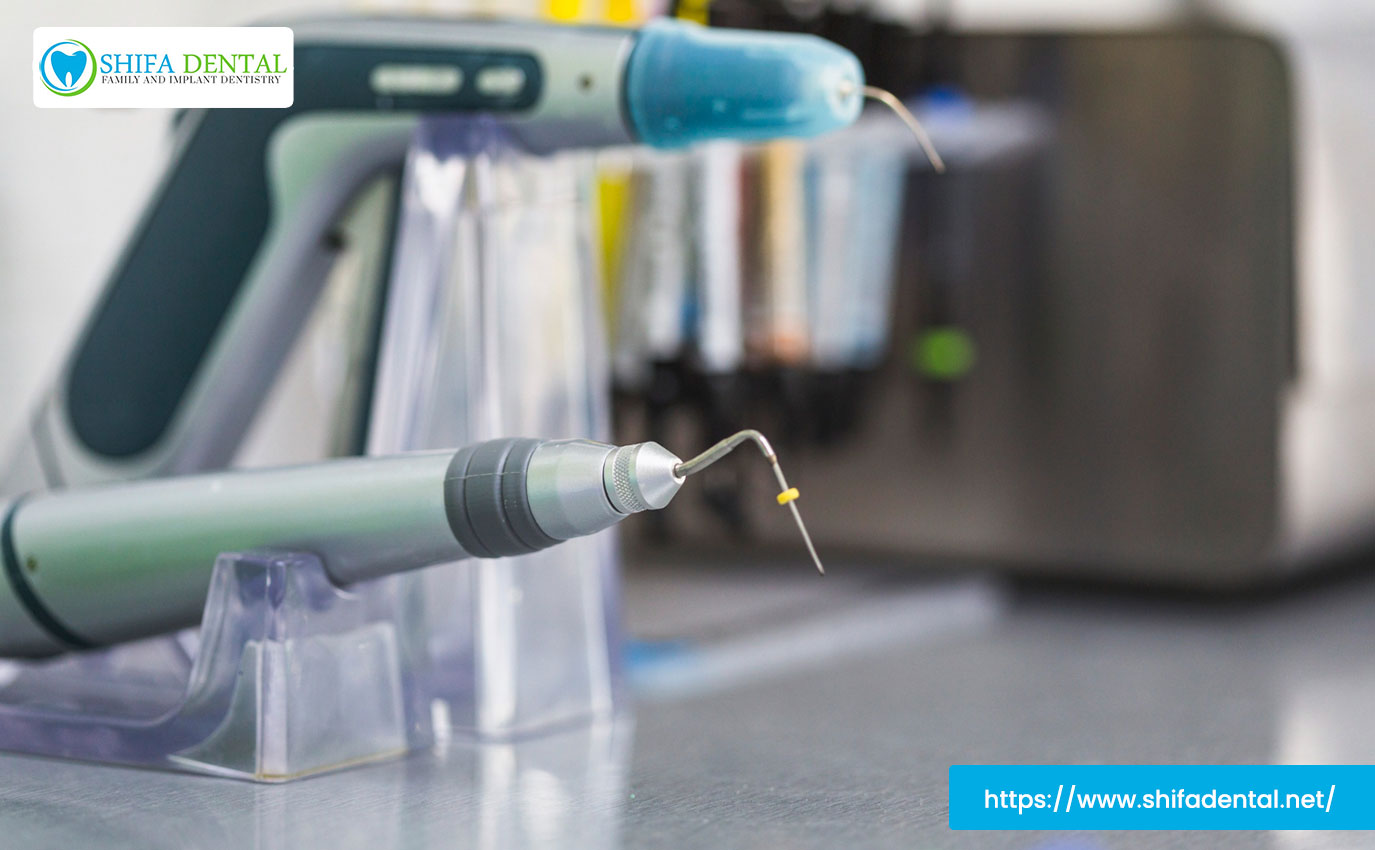
That means the dentist can remove bone around a tooth with extreme precision while leaving nerves and gums safe. This is especially helpful in surgical extractions, such as impacted wisdom teeth.
Another benefit is reduced heat generation. Traditional drills can create heat, which may affect healing. Piezoelectric tools keep things cooler, leading to better outcomes.
Dental Surgical Drills
Sometimes, a tooth cannot be removed in one piece. In this situation, dental surgical drills are employed to cut the tooth into smaller parts. Contemporary drills are designed to be highly precise. They enable the dentist to take away only what is required and leave the rest of the area intact.
These drills often include irrigation systems that keep the area clean and prevent overheating. This ensures that the process is safer and more efficient.
High-Precision Forceps
Traditional forceps are still used, but the modern ones are highly specialized. They are available in various shapes and sizes, with each being specific to a tooth. This enables a more controlled movement and a better grip. Rather than forcing the tooth, the dentist is able to manipulate the tooth in a manner that minimizes stress on other areas.
The enhanced design also implies fewer opportunities for the tooth to break during extraction, which can make the process faster.
CBCT Imaging for Planning
Before the tools even come into play, planning is key. Cone Beam Computed Tomography, or CBCT, provides an in-depth 3D image of the tooth and its surrounding tissues.
This assists the dentist in observing things that would not be noticed in ordinary X-rays. As an illustration, the precise location of nerves, bone density, and root shape.
The dentist can select the appropriate tools and method in advance with this information. This minimizes unexpectedness in the process and enhances safety.
Laser-Assisted Extraction
Lasers are increasingly used in dental practice, such as for tooth extractions. They are primarily employed in soft tissue work. A dental laser is able to cut the gum accurately with little bleeding. It is also useful in disinfecting the area, reducing the chance of infection.
Lasers are also known to reduce swelling and speed up healing in patients. The experience is also less threatening and intimidating than the traditional tools.
Surgical Curettes
Surgical curettes are used after the tooth has been removed to clean the empty socket. Small tissue remnants or infected material may remain after meticulous extraction. These instruments are useful in clearing that space.
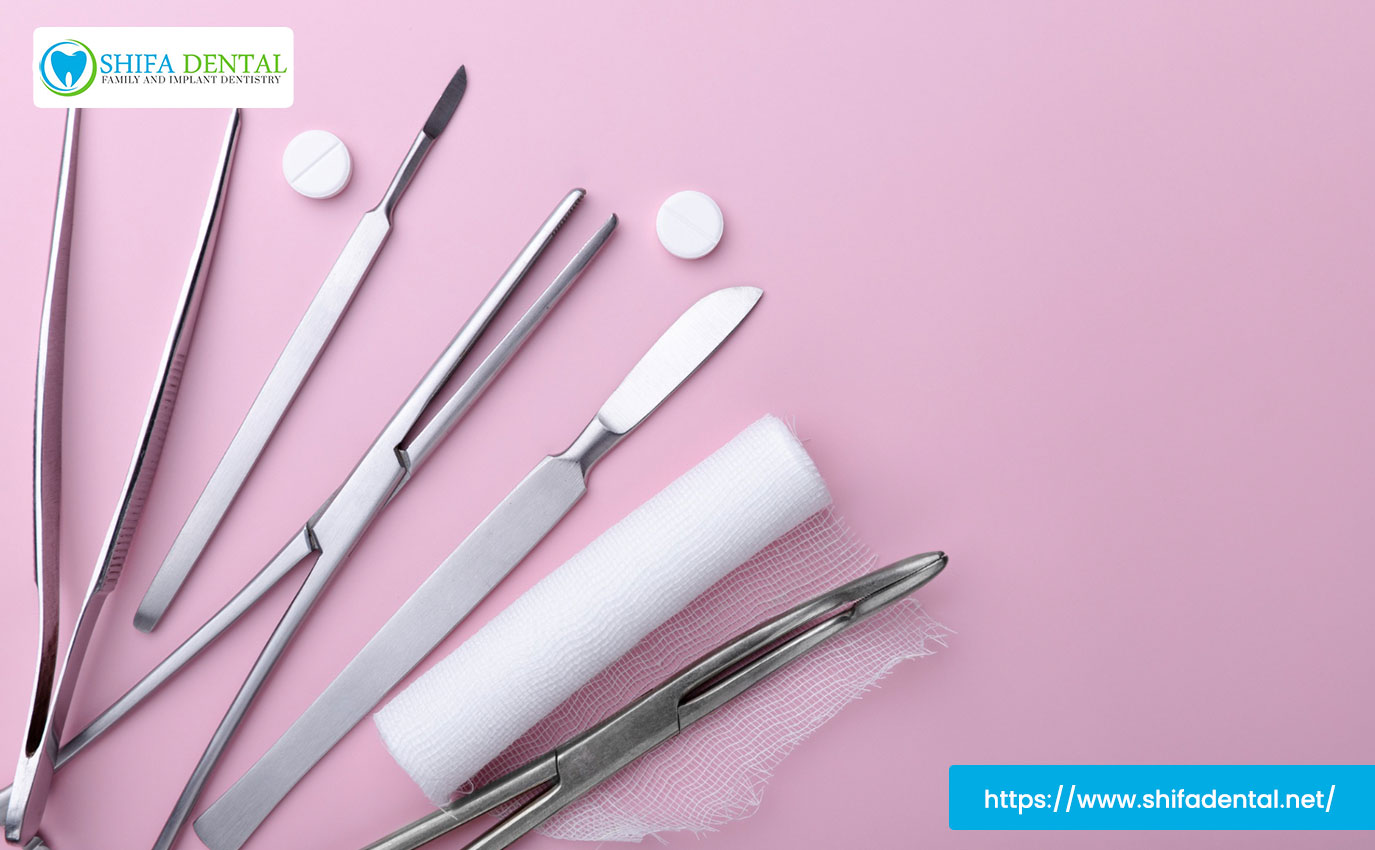
Their form enables the dentist to scrape and clean the area gently without harming the surrounding bone. This is important because a clean socket promotes proper healing and decreases the risk of infection. It also prepares the site for natural tissue repair or subsequent treatments should they be required.
Suturing Tools
The gum may not always close, particularly in surgical cases, after an extraction. Suturing devices are employed to sew stitches that hold the edges of the gums together.
Such tools are fine needles and holders that enable controlled stitching in a small area. The stitches prevent bleeding, maintain the site stable, and aid the gum tissue to heal well. They also, in most instances, shield the socket against food particles and bacteria in the initial healing process.
How Shifa Dental Handles Tooth Extraction
When it comes to using advanced tools the right way, experience matters. This is where Shifa Dental stands out. They focus on combining modern equipment with careful planning. Each case is handled based on the patient’s specific needs rather than using the same approach for everyone.
Their use of updated tools like piezoelectric devices and precision instruments helps reduce discomfort during and after the procedure. At the same time, attention is given to patient comfort, which makes a noticeable difference.
Another thing worth noting is their approach to consultation. Before any extraction, they take time to explain the process and the tools involved. This helps patients feel more at ease and informed.
Final Thoughts
Tooth removal doesn’t have to be a major concern. It is now a more comfortable and easier process with the available tools. All the instruments have their part, such as loosening the tooth for a clean removal. The combination of the two forms a system that is concerned with accuracy and patient comfort.
When you are thinking of an extraction, it can be very different to go to a clinic with up-to-date tools. Clinics like Shifa Dental demonstrate the extent to which the experience can be enhanced through the appropriate approach.
In case you desire a more comfortable process and recovery, you should consider contacting a clinic that appreciates technology and patients. A single choice can make you feel better about the whole process.
FAQs
In many cases, yes. Modern tools help dentists work more efficiently while maintaining accuracy and safety.
Not always. The tools used depend on the tooth’s condition, location, and the complexity of the extraction.
Yes. Precision tools often cause less trauma to surrounding tissues, which can support quicker healing.
No. It is usually recommended for complex cases where detailed planning is needed.
They evaluate factors such as root shape, tooth position, bone structure, and the overall difficulty of the procedure.